
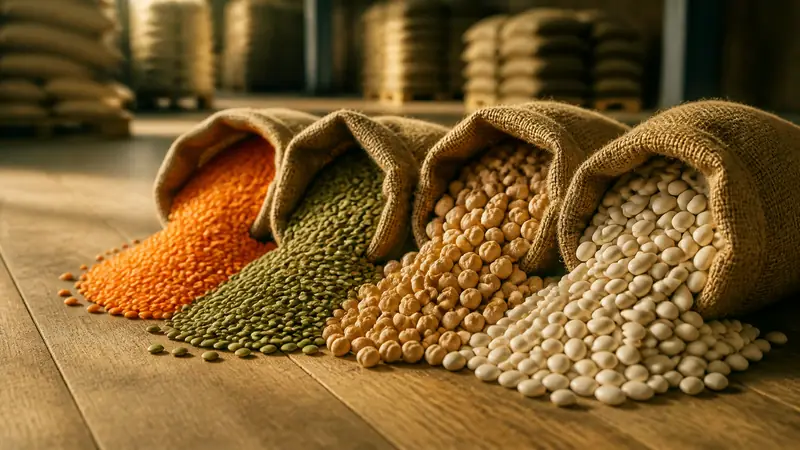
Transit trade: the goods are on the move, the trade is in Istanbul.
In transit trade, a product is bought in one country and sold directly to a buyer in a third country without being imported into Türkiye. We manage this model end to end for food and agricultural products.
- FOB
- CFR
- CIF
- FCA
- CPT
- DAP
How does it work?
The model has three parties: the producer or exporter (country of origin), BOHEM (Istanbul) and the buyer (country of destination). We buy from the producer and sell to the buyer. There are two separate contracts, and they are set up to match each other.
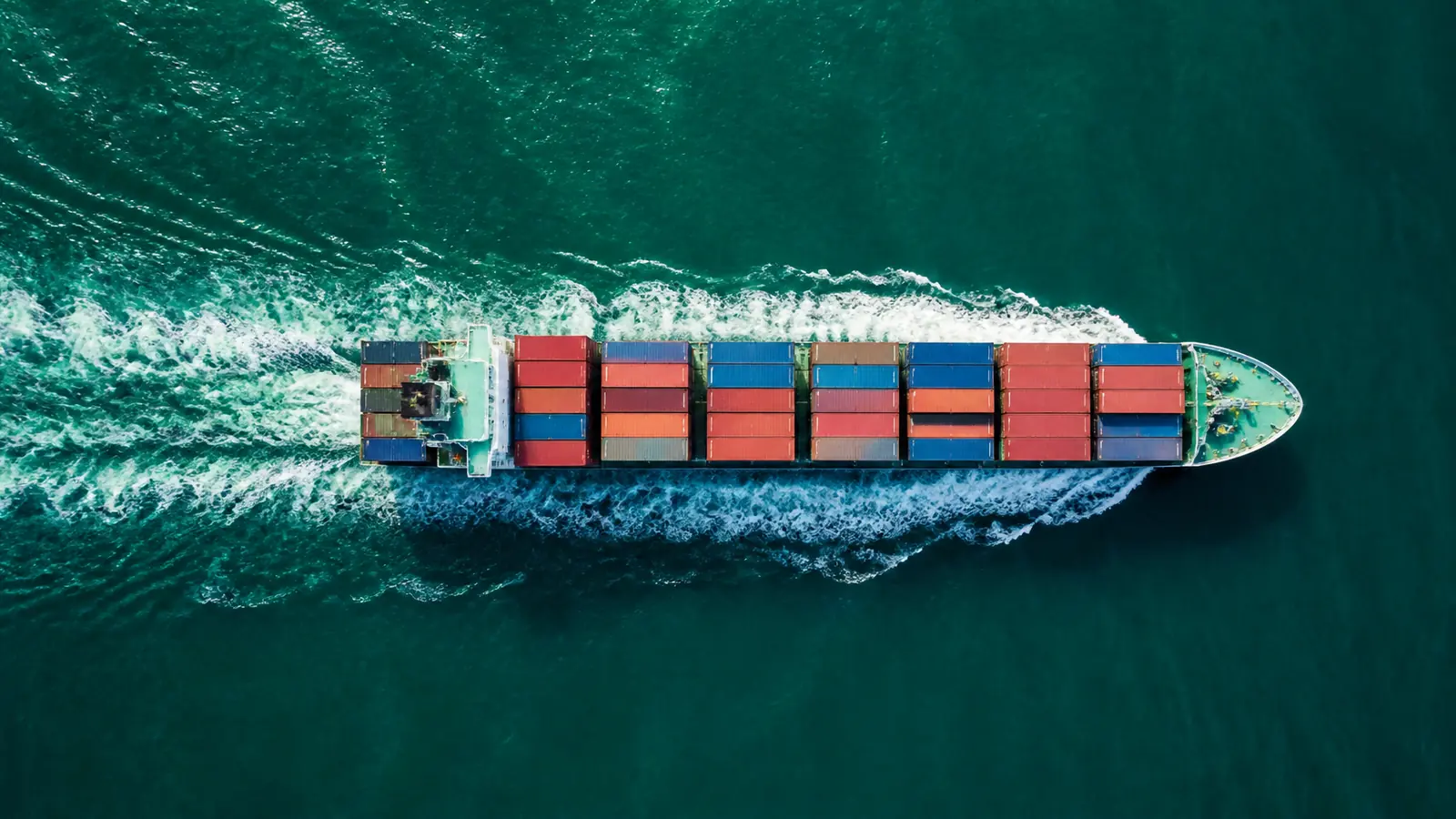
The goods are loaded onto a vessel or vehicle at the port of origin and travel directly to the port of destination. They never enter Turkish customs. The documents, however, usually flow through us: we take the document set received from the supplier, bring it into the form the buyer and the bank require, and deliver it on time.
In Türkiye, transit trade is a foreign trade method defined in the relevant legislation. Payment and document processes run through banks in a traceable way.
What does the buyer gain?
Wider sourcing
You are not tied to the supply of a single country; depending on season and price, the product can come from different origins.
A shorter route
Goods come to you directly from the most suitable port. There is no interim transshipment or storage.
One contract
Instead of dealing with several suppliers one by one, you work with a single counterpart.
Document assurance
Documents are checked before loading, which lowers the risk of discrepancies.
How it differs from conventional import and export
| Topic | Import followed by export | Transit trade |
|---|---|---|
| Route of the goods | Origin, Türkiye, destination | Origin, destination |
| Customs clearance | Entry and exit in Türkiye | None in Türkiye |
| Storage and handling | Extra storage and transshipment | Not required |
| Lead time | Longer | Shorter |
| Document flow | Two separate sets | Two matched sets in a single file |
Incoterms 2020
Delivery terms
- FOBFree on BoardFOB
The goods remain the seller's responsibility until they are loaded on board at the port of origin. The buyer arranges the freight.
- CFRCost and FreightCFR
Freight is paid by the seller, and risk passes at the port of loading. Widely used for bulk and containerised food.
- CIFCost, Insurance and FreightCIF
As with CFR, but the seller also arranges marine insurance.
- FCAFree CarrierFCA
Risk passes when the goods are handed over to the buyer's carrier. Suitable for road and container transport.
- CPTCarriage Paid ToCPT
Carriage is paid by the seller, and risk passes on delivery to the first carrier. Used for road shipments.
- DAPDelivered at PlaceDAP
The goods are delivered ready for unloading at the place named by the buyer. Customs duties are borne by the buyer.
Delivery terms are written into the contract under the Incoterms 2020 rules. The right term is agreed together, based on the product, the route and the payment method.
Payment methods
Letter of credit (L/C)
The bank guarantees payment once documents are presented in line with the terms of the credit. The safest route for new business relationships.
Cash against documents (CAD)
Documents are released to the buyer through the bank against payment.
Advance and partial advance payment
An advance on order confirmation and the balance against documents. Preferred in long-standing relationships.

Do you have a specification in hand?
Tell us the product, quantity and port of destination. We will review your request and come back with the most suitable source and delivery terms.